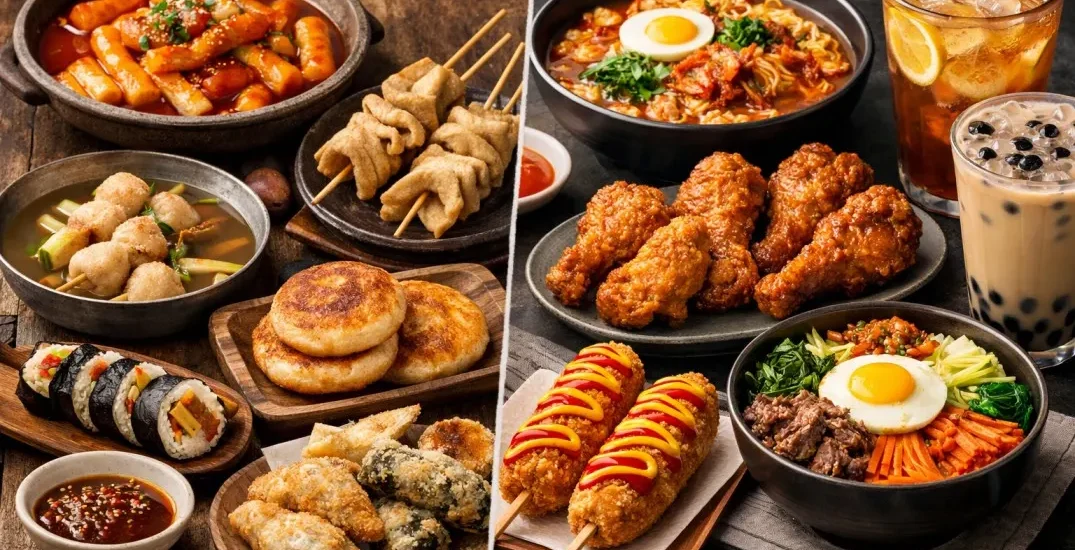
Modern Korean Street Foods are transforming how people experience Korean flavors worldwide. In 2026, the energy of Seoul’s night markets is blending with café culture, K-pop fandom, and global creativity. As a result, classic recipes are evolving into bold, Instagram-worthy plates without losing their roots.
At Wang House – Korean Street Food Café, we see this change every day. While traditional dishes still win hearts, new twists are attracting Gen Z and young food lovers in India. Therefore, it’s the perfect time to explore what’s changing and why it matters.
The Roots: Classic Korean Street Food Culture
Before we talk about what’s new, we must respect what came first. Korean street food started in traditional markets like Gwangjang Market in Seoul. Vendors sold simple, affordable dishes for workers and students.
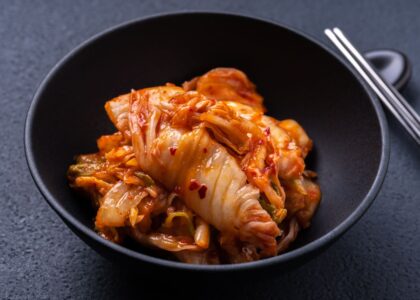
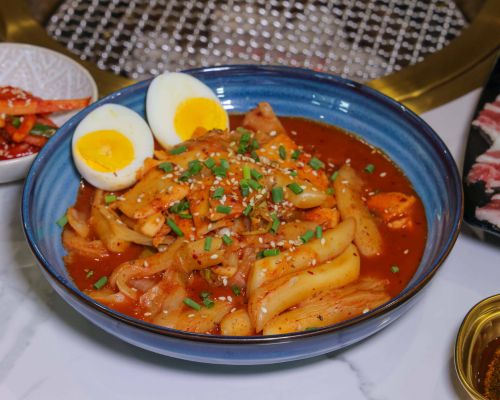
For example, tteokbokki, gimbap, hotteok, and eomuk were easy to cook and quick to eat. Moreover, these dishes were deeply connected to everyday life. They were warm, spicy, comforting, and full of flavor.
Classic Korean street foods focus on:
- Authentic sauces like gochujang
- Handmade rice cakes and fish cakes
- Simple presentation
- Strong, bold flavors
However, times are changing. Global travel, social media, and café culture are shaping a new version of street food.
The Rise of Contemporary Korean Food Culture
In 2026, contemporary Korean food culture is more visual and experience-driven. People don’t just want to eat. Instead, they want to click photos, make reels, and share moments.
Meanwhile, Korean dramas and K-pop have influenced eating habits worldwide. As a result, trendy Korean street snacks now look brighter, cheesier, and more creative.
For example:
- Cheese-filled Korean corn dogs
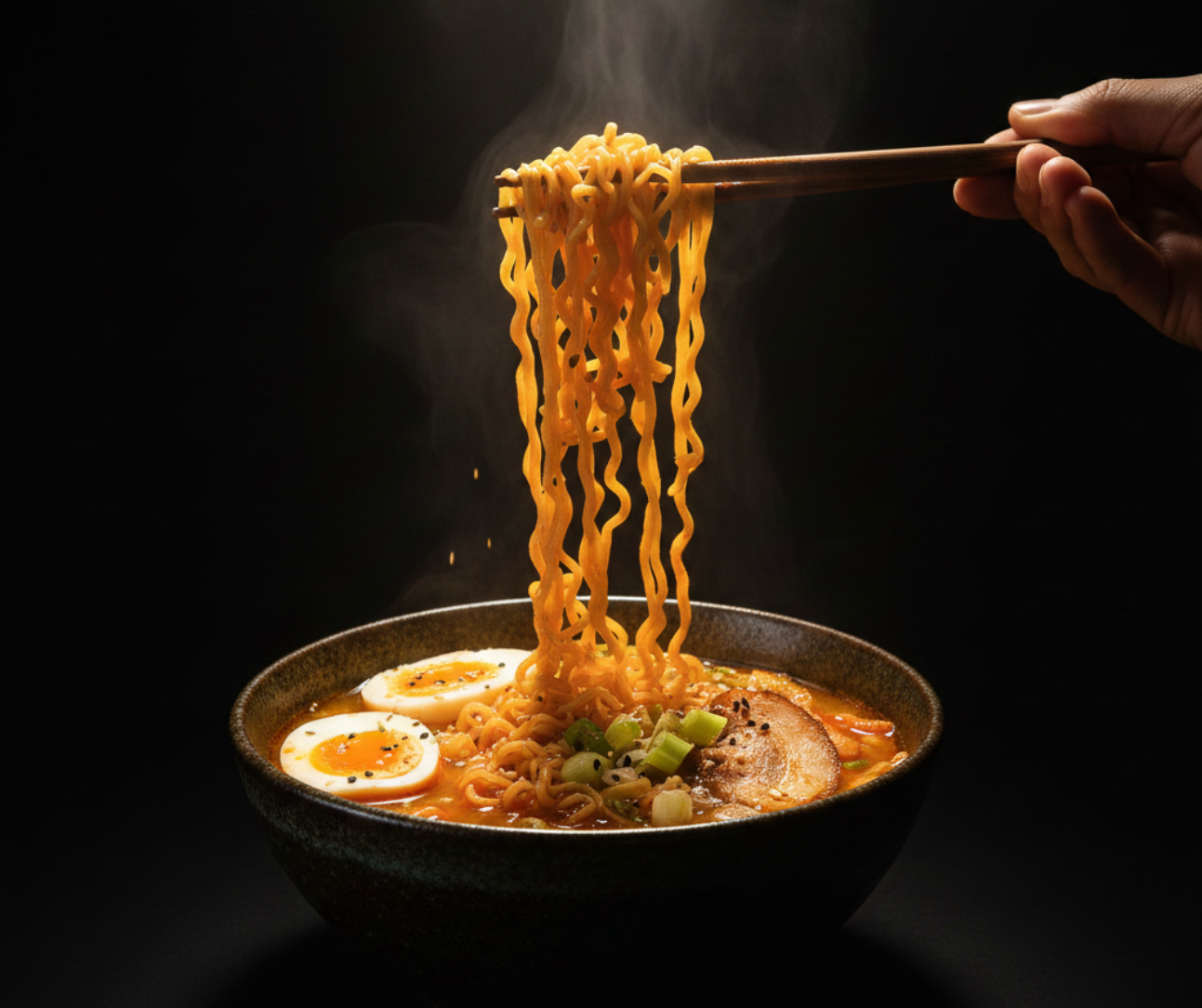
- Fusion ramen bowls
- Loaded tteokbokki with extra toppings
- Mini gimbap platters for sharing
These dishes still carry Korean flavors. However, they are redesigned for a global audience.
What Defines Modern Korean Street Foods in 2026?
The biggest difference is innovation. Modern Korean Street Foods mix tradition with experimentation. Therefore, you will notice bold sauces, fusion ingredients, and café-style plating.
Here’s what stands out in 2026:
1. Fusion Flavors
Classic spice levels remain. However, chefs now add peri-peri, garlic butter, and creamy sauces to create new-age Korean street food that fits Indian taste buds.
2. Café Presentation
Street food is no longer limited to the street. Instead, it is served in stylish cafés with neon lights and K-pop music. Therefore, modern Korean street food at Korean cafes feels like a full experience.
3. Health-Conscious Options
Additionally, people want lighter and vegetarian choices. Therefore, more cafés now offer plant-based ramen and low-oil snacks.
4. Customization
Customers love control. As a result, spice levels, toppings, and cheese portions can now be customized easily.
This evolution reflects Korean street food trends 2026, where experience is as important as taste.
How It’s Trending in India
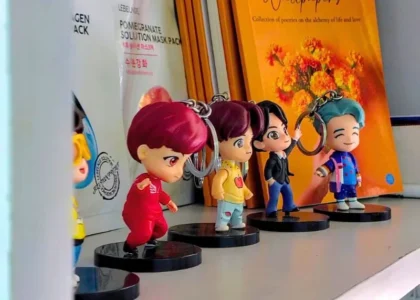
Korean food is no longer niche in India. Thanks to K-dramas and BTS fandom, young Indians are exploring bold Korean flavors. Therefore, modern Korean street foods trending in India are becoming popular in cities like Delhi, Gurugram, and Kochi.
At Wang House, we notice:
- Increased demand for Korean cheese corn dogs
- Spicy ramen challenges
- Instagram-friendly mini gimbap boxes
- Korean iced coffees
Moreover, customers often search for modern Korean street food at Korean cafes instead of roadside stalls. They want comfort, air-conditioning, and aesthetic vibes.
Wang House and the New Street Food Experience
At Wang House, we celebrate both classic and new-age Korean street food. However, we present them in a way that connects with Indian youth.
If you want to explore our authentic menu, visit our
👉 Korean Street Food Menu at Wang House
We combine traditional recipes with modern plating. Therefore, each dish feels nostalgic yet trendy.
Additionally, if you are curious about our ramen specialties, check out
👉 Our Signature Korean Ramen Collection
Ramen is one of the biggest Korean street food trends in 2026, especially among college students.
Classic vs Modern: A Side-by-Side Comparison
| Classic Korean Street Food | Modern Korean Street Foods |
| Sold mainly in markets | Served in themed cafés |
| Simple plating | Instagram-worthy presentation |
| Limited customization | Multiple topping choices |
| Traditional spice levels | Fusion flavors for global taste |
| Focus on quick meals | Focus on experience and vibe |
Therefore, while the base ingredients remain similar, the presentation and audience have evolved dramatically.
Influence of Festivals and Pop Culture
Korean festivals and food culture go hand in hand. During events like Chuseok, traditional dishes take center stage. However, modern pop-up stalls now experiment with fusion snacks.
If you want to learn more about Korean festivals and their food connection, you can explore this detailed guide from the
👉 Korea Tourism Organization on traditional Korean festivals
This cultural shift directly impacts contemporary Korean food culture worldwide. As a result, global cafés adopt both traditional and trendy Korean street snacks during themed events.
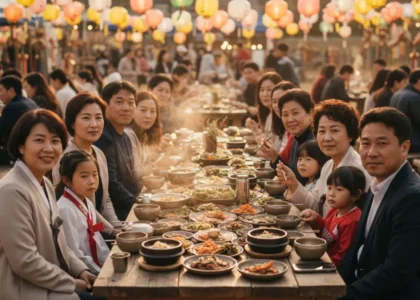
At Wang House, we also host K-pop-themed food events and ramen challenges. Therefore, food becomes more than a meal—it becomes a memory.
Why Young Audiences Prefer Modern Korean Street Foods
Gen Z customers value aesthetics and uniqueness. Moreover, they prefer shareable plates and combo meals. Therefore, modern Korean street foods trending in India are often sold in combos.
For example:
- Ramen + mini gimbap + drink
- Corn dog + iced latte
- Tteokbokki + fried rice bowls
If you love combos, explore our
👉 Korean Combo Meals and Offers
Additionally, birthday celebrations and fan meets are becoming popular at Korean cafés. You can learn more about our event space here:
👉 Book Birthday Parties at Wang House
The Role of Social Media in Korean Street Food Trends 2026
Social media plays a huge role. Therefore, dishes must look good on camera. Cheese pulls, steam shots, and colorful toppings dominate reels.
Modern Korean street food at Korean cafes is designed with lighting and presentation in mind. As a result, cafés invest in interior design and neon backgrounds.
If you want to experience our Korean-themed café vibe, visit:
👉 About Wang House – Korean Street Café Experience
Meanwhile, trendy Korean street snacks like loaded corn dogs and spicy chicken ramen generate high engagement online. Therefore, presentation directly influences popularity.
Will Classic Korean Street Food Disappear?
Not at all. Classic recipes are the foundation. However, they are being adapted for modern tastes. Therefore, tradition and innovation now work together.
For example:
- Traditional tteokbokki now comes with cheese layers
- Classic gimbap is available in mini party packs
- Street-style ramen is served in premium bowls
This balance defines contemporary Korean food culture in 2026.
At Wang House, we believe in preserving authenticity. However, we also embrace change. Therefore, our menu evolves with customer demand while keeping Korean roots alive.
The Future of Korean Street Food Beyond 2026
Looking ahead, Korean street food trends 2026 suggest even more personalization and fusion. Moreover, plant-based options will continue to grow. Additionally, AI-driven menu recommendations may become common in cafés.
In India, the demand for modern Korean street foods trending in India will likely expand to smaller cities. As a result, more Korean cafés will open nationwide.
Meanwhile, the café model will dominate over roadside stalls in urban areas. Therefore, the concept of modern Korean street food at Korean cafes will become standard rather than new.
Final Thoughts: Tradition Meets Trend
The journey from classic market stalls to aesthetic cafés shows how food evolves with time. However, the soul of Korean street food remains the same—bold flavors, comfort, and community.
In 2026, Modern Korean Street Foods represent creativity, culture, and connection. They reflect Korean street food trends 2026 while respecting tradition. Moreover, they bring people together through contemporary Korean food culture and trendy Korean street snacks.
At Wang House, we invite you to taste both worlds. Whether you love classic spice or fusion flavors, something is waiting for you.
So next time you crave Korean flavors, step into Wang House and experience the evolution yourself.