Best Korean Restaurants have become cultural gateways for food lovers who want more than just a meal. They offer stories, traditions, and flavors that develop over time. Korean fermented foods, in particular, reflect patience and balance. These foods are not made overnight. Instead, they grow richer with time. Therefore, when you explore Korean fermented dishes, you also explore Korean history and lifestyle.
Across India, Korean cuisine is gaining attention. As a result, many diners are now searching for the Top Korean restaurants near me to enjoy these unique flavors. Fermented foods are not only tasty. They are also deeply rooted in wellness and tradition. This blog takes you through the world of Korean fermentation, its cultural value, and where you can enjoy it at trusted Korean dining spots.
Experience first-hand how Wang House Korean Street Food Cafe blends traditional Korean flavours with modern café vibes across India. From spicy ramen to gimbap, every dish celebrates Korean culture in a cozy setting. Check out the café’s story and ethos here: link to About page.
Understanding the Art of Korean Fermentation
Fermentation in Korea is not just a cooking method. Instead, it is a way of life. For centuries, Korean households have relied on fermentation to preserve food through long winters. Because of this, fermented dishes became essential to daily meals.
Moreover, fermentation improves flavor and texture. It also boosts nutritional value. Foods like kimchi, doenjang, and gochujang are rich in natural probiotics. Therefore, they support digestion and gut health.
When you visit Authentic Korean food spots, you will notice how fermentation adds depth to even simple dishes. The taste may start sharp. However, it slowly turns balanced and comforting.
Kimchi: The Heart of Korean Fermented Cuisine
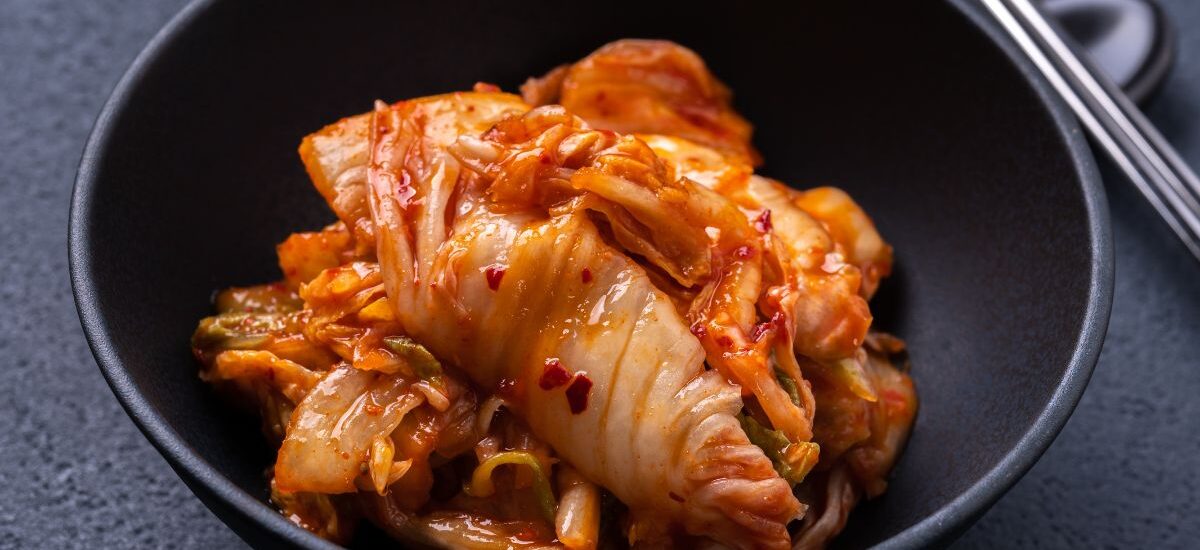
Kimchi is the most famous Korean fermented food. Yet, it is more than just spicy cabbage. There are hundreds of varieties. Each region and family has its own recipe.
Traditionally, kimchi is made by salting vegetables and mixing them with chili paste, garlic, ginger, and seafood seasoning. Then, it is left to ferment. Over time, the flavors deepen.
Because of its importance, kimchi is served at almost every Korean meal. When dining at Must-visit Korean eateries, you can often taste house-made kimchi. This detail matters. Freshly fermented kimchi reflects skill and care.
In India, many diners now look for Top Best Korean restaurants for authentic food that is prepared in the traditional way. These places respect the fermentation process instead of rushing it.
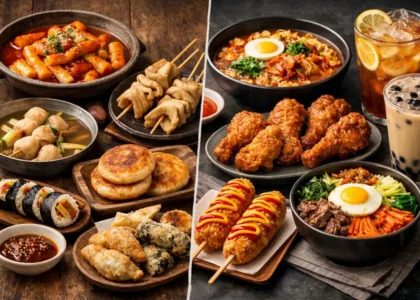
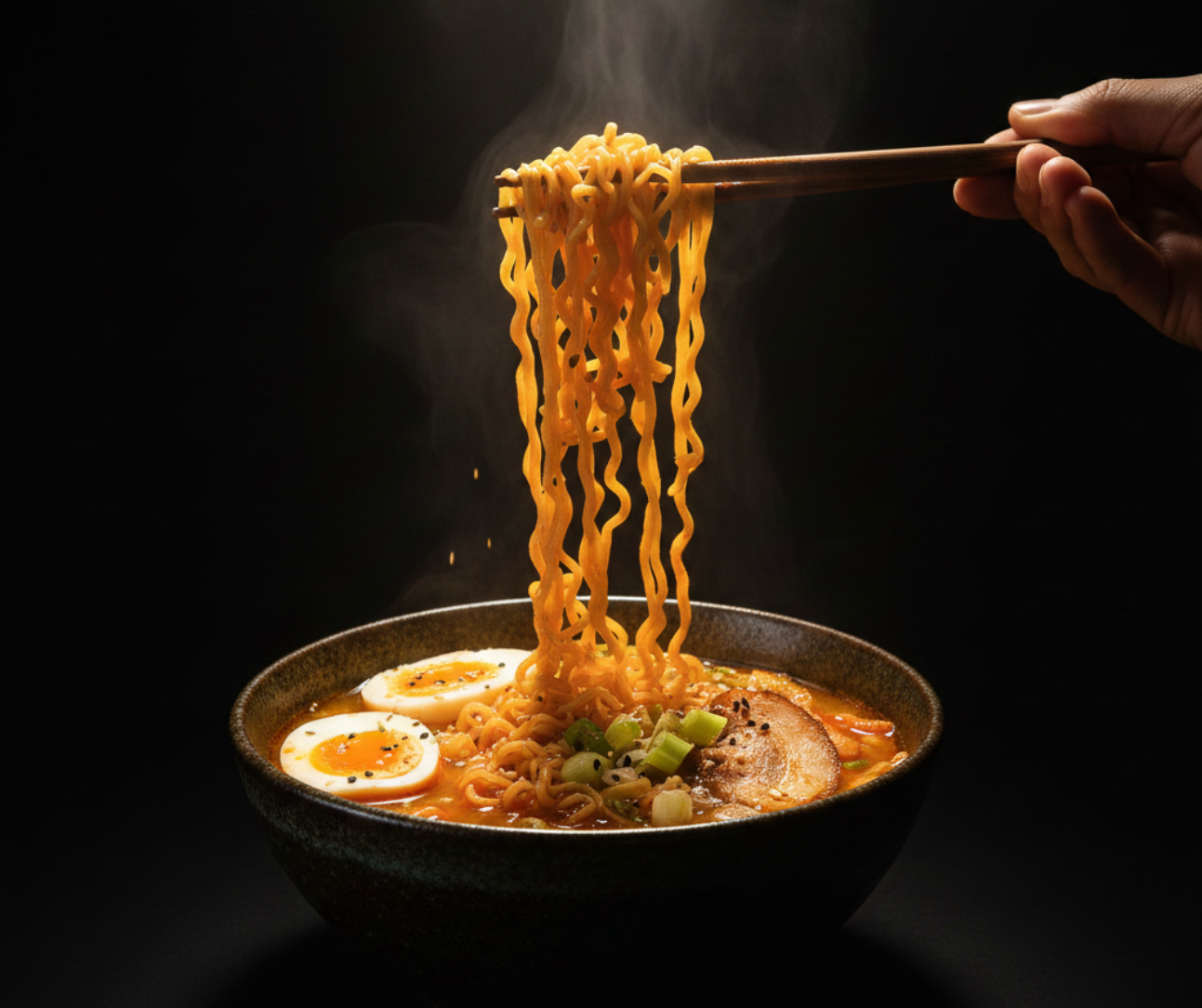
If you’re craving authentic Korean dishes like kimchi ramen, rabokki, and Korean fried snacks, our full K-Food menu has something for everyone. From appetisers to beverages, discover what makes our food unforgettable here: link to Our Menu.
Doenjang: The Soul of Korean Comfort Food
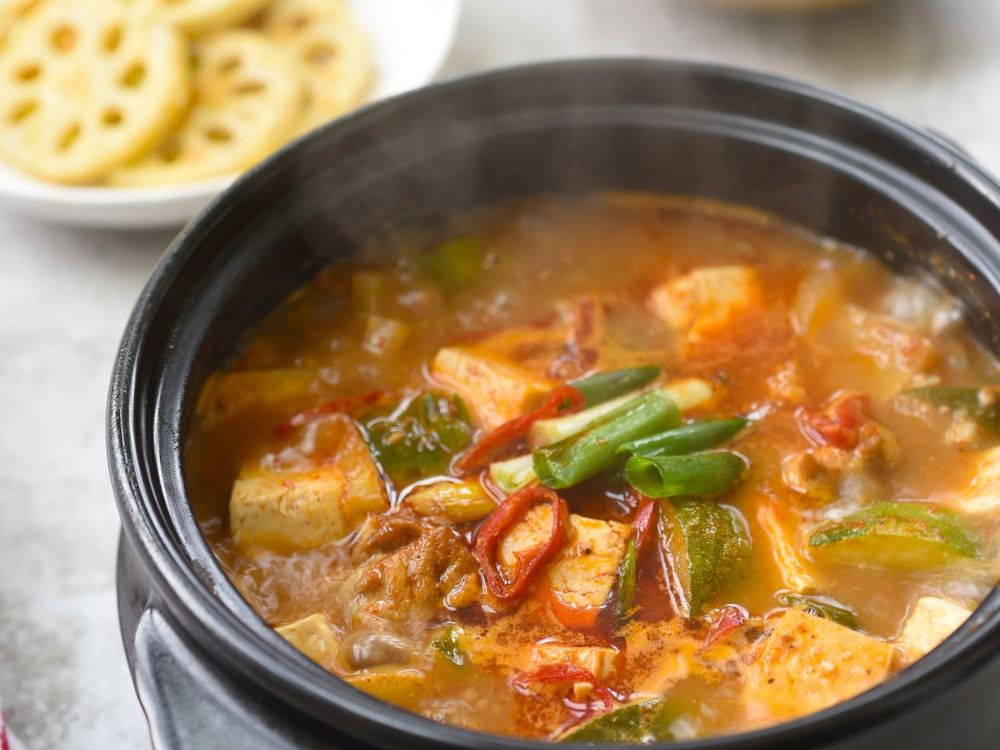
Doenjang is a fermented soybean paste. It has a strong aroma but a comforting taste. Although it may seem intense at first, it becomes gentle when cooked.
This paste is usually aged for months. During this time, natural enzymes break down soybeans. As a result, doenjang develops a deep umami flavor.
Most commonly, it is used in doenjang jjigae, a warm stew. This dish feels earthy and filling. Therefore, it is popular among those who enjoy slow, home-style meals.
Many Top Best Korean restaurants near me highlight doenjang dishes to showcase traditional flavors. These dishes may not look fancy. However, they represent true Korean cooking.
Gochujang: Fermentation with a Spicy Twist
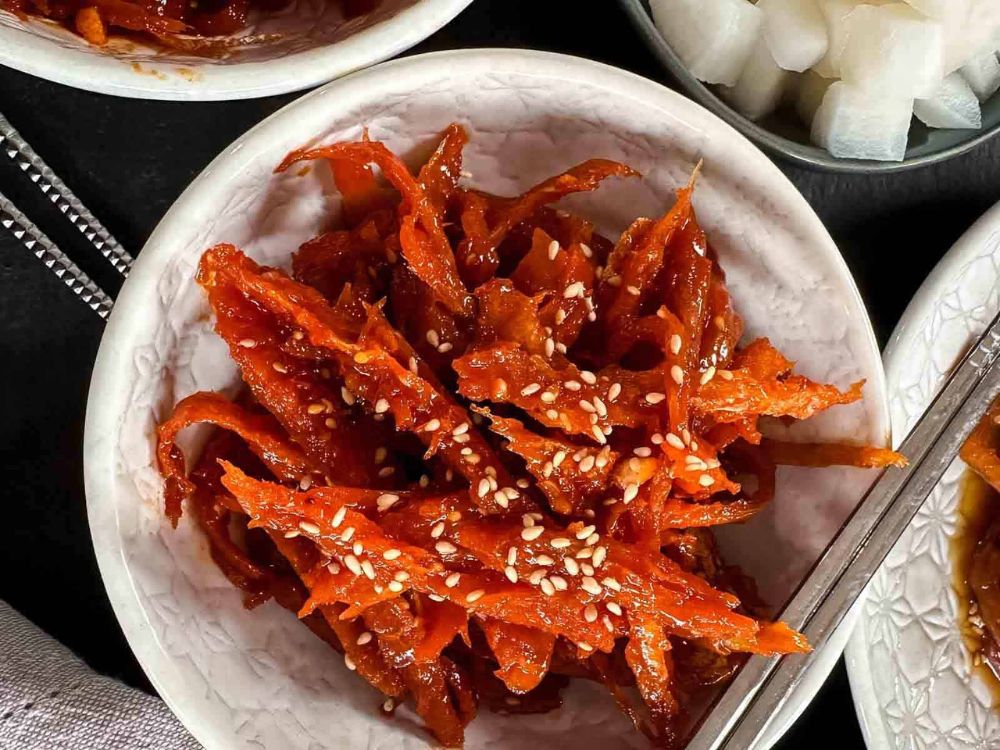
Gochujang is another essential fermented paste. It is made from red chili powder, rice, soybeans, and salt. Unlike fresh chili sauces, gochujang is aged.
Because of fermentation, it offers sweetness, heat, and depth. It is not just spicy. Instead, it is layered.
You will find gochujang in dishes like bibimbap and tteokbokki. These dishes are popular among young diners. Therefore, Authentic Korean food spots often use house-fermented gochujang to stand out.
In Korean fine dining in India, chefs sometimes modernize gochujang dishes. They keep the base traditional while presenting it in creative ways.
Wang House offers vibrant Korean dining experiences in multiple cities. Whether you’re in Delhi-NCR or Kochi, find your nearest café and plan a tasty visit here: link to Our Cafes.
Why Fermented Foods Define Authentic Korean Dining
Fermented foods are not optional in Korean cuisine. They are central. Without them, Korean food would lose its identity.
Firstly, fermentation adds balance. Korean meals often include spicy, salty, sour, and mild elements together. Fermented foods help achieve this harmony.
Secondly, fermentation supports health. Because of probiotics, these foods are linked to better digestion. Therefore, health-conscious diners are drawn to them.
This is why Must-visit Korean eateries focus on fermentation. They do not treat it as a trend. Instead, they treat it as tradition.
Korean Fermented Foods and Indian Food Culture
Interestingly, Indian food culture already values fermentation. Foods like idli, dosa, and pickles rely on similar processes. Because of this, Indian diners connect easily with Korean fermented dishes.
As Korean cuisine grows, people search for the Top Korean restaurants near me that offer familiar comfort with new flavors. The sourness of kimchi or the depth of doenjang feels new, yet relatable.
In cities like Delhi, this fusion of cultures is clear. Many food lovers explore the best Korean restaurants in Delhi with reviews before choosing where to dine. Reviews often mention taste balance and authenticity.
Interested in deeper insights about Korean street food, festivals, and trends? Explore our latest articles and blogs that bring Korean culinary culture to life here: link to Blogs.
The Rise of Korean Dining Experiences in India
Korean dining in India has evolved. Initially, it was limited to niche communities. However, things have changed.
Today, Korean fine dining in India is gaining attention. These restaurants focus on ambiance, service, and storytelling. Yet, they still respect fermentation traditions.
At the same time, casual cafés and street-style Korean eateries are growing. These places make fermented foods more accessible. Therefore, diners of all ages can explore them.
Whether fine dining or casual, Top Korean restaurants for authentic food share one thing. They value time. Fermentation cannot be rushed.
How to Identify Truly Authentic Korean Restaurants
Not every Korean restaurant focuses on authenticity. Some adapt flavors too much. While fusion has its place, traditional fermented foods need care.
When searching for Authentic Korean food spots, look for signs. House-made kimchi is one sign. Seasonal banchan is another.
Additionally, menus that clearly explain fermentation processes demonstrate transparency. Many Must-visit Korean eateries proudly share how long their pastes are aged.
Additionally, reviews help. Reading the best Korean restaurants in Delhi with reviews gives insight into consistency and quality.
Love Korean food and dream of owning your own café? Find out how you can invest in a Wang House franchise and bring this exciting concept to your city here: link to Franchise page.
Fermented Foods in Everyday Korean Meals
In Korea, fermented foods are not limited to special occasions. They are daily essentials.
Breakfast may include kimchi and soybean soup. Lunch could feature fermented radish. Dinner often includes multiple fermented sides.
Because of this, Top Korean restaurants near me that follow traditional meal structures feel more authentic. They serve small portions of many dishes instead of one heavy plate.
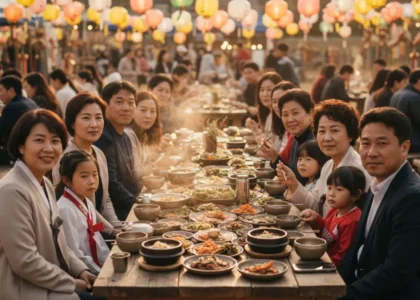
This style encourages sharing and balance. Therefore, diners experience more flavors in one meal.
Health Benefits of Korean Fermented Foods
Fermented foods support gut health. They also help nutrient absorption. Because of natural fermentation, vitamins become easier to digest.
Kimchi, for example, is rich in fiber and antioxidants. Doenjang offers plant-based protein. Gochujang provides energy and warmth.
As wellness trends grow, people seek the best Korean restaurants for authentic food that focuses on traditional preparation rather than shortcuts.
In Korean fine dining in India, health-focused menus are also emerging. These menus highlight fermentation as a natural wellness tool.
Why Reviews Matter When Choosing Korean Restaurants
Choosing where to eat Korean food can be overwhelming. Therefore, reviews play a key role.
Searching best Korean restaurants in Delhi with reviews helps diners understand portion sizes, spice levels, and authenticity. Reviews often mention fermentation quality, even if indirectly.
Consistent reviews about fresh kimchi or deep flavors are good signs. They suggest skilled fermentation.
Because of this, reviews guide both new and experienced diners.
Curious about the real experiences of diners? Check out what customers are saying about flavour, service, and ambience right on our homepage and Google review section here: link to homepage reviews section.
The Emotional Side of Fermented Korean Food
Fermented foods carry emotion. They remind Koreans of home, seasons, and family.
When chefs recreate these foods abroad, they carry that emotion forward. Therefore, dining at Must-visit Korean eateries feels personal.
Even for Indian diners, these foods create comfort. The warmth of fermented stews and the crunch of kimchi feel grounding.
This emotional connection is why people return to the Top Best Korean restaurants near me again and again.
Exploring Korean Fermented Foods as a Food Lover
If you are new to Korean food, start slow. Try mild kimchi first. Then explore soybean-based dishes.
Over time, your palate will adjust. You will notice complexity instead of sharpness.
Visiting Authentic Korean food spots helps because trained chefs balance flavors properly. They guide your experience without overwhelming you.
This journey is not rushed. Like fermentation, it takes time.
Make your visit more memorable by combining great food with local attractions. Whether you’re exploring Laxmi Nagar or hosting friends, discover things to do near our café and make your visit unforgettable here: link to nearby attractions blog/page.
Conclusion: A Journey Worth Taking
Korean fermented foods are more than flavors. They are history, health, and heart combined. Exploring them at trusted Korean dining places deepens your understanding of Korean culture.
Across India, interest in Korean cuisine continues to grow. From casual cafés to Korean fine dining in India, fermentation remains at the heart of the culinary experience.
By choosing well-reviewed and traditional places, you experience food that respects time and tradition. Whether you search online or through word of mouth, the best Korean restaurants near me offer more than meals. They offer stories on a plate.
As you continue your food journey, remember that true Korean fermentation is slow, honest, and rewarding.