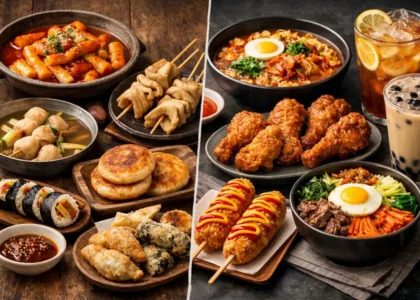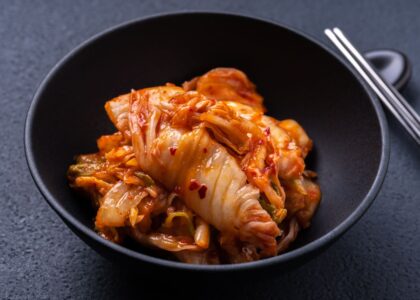
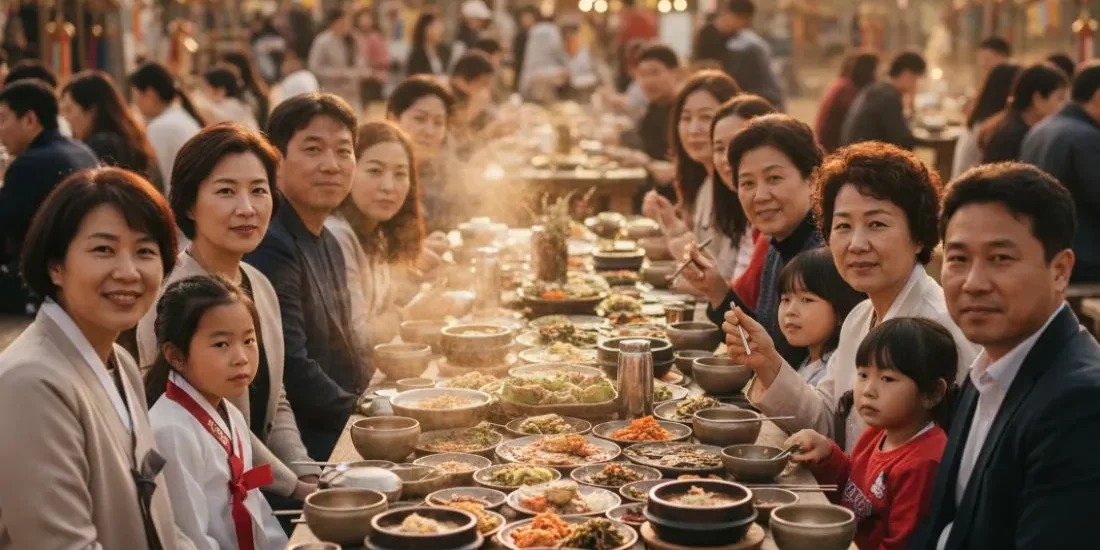
Korean Festival Food is more than just something to eat. It is a way to celebrate culture, seasons, and togetherness. Across the world, Korean street food festivals bring people closer to these traditions. From colorful markets in Seoul to global food events in London, New York, and Delhi, festive Korean festival food flavors are now easier to explore than ever before.
However, not everyone can travel during festival seasons. Because of this, Korean cafes play a big role today. They help people experience festive flavors locally. As a result, food lovers can enjoy celebration-style dishes without leaving their city. This growing trend has made Korean holiday menus very popular across the globe.
The Global Rise of Korean Street Food Festivals
Over the last decade, Korean culture has gained worldwide attention. K-pop, K-dramas, and Korean cinema opened doors for food curiosity. As a result, street food festivals inspired by Korea began appearing in many countries.
These festivals focus heavily on Korean holiday dishes, Chuseok special meals, Korean Lunar New Year food, and Traditional Korean event foods. Visitors can taste recipes that were once prepared only at home. At the same time, these events educate people about the meaning behind each dish.
Moreover, food stalls recreate the atmosphere of Korean festival food and celebrations. Bright lanterns, traditional music, and street-style cooking make the experience immersive. Because of this, many visitors feel emotionally connected to the culture.
Discover the story of how Korean street food came to India.
Why Festivals Focus on Korean Holiday Dishes
Korean festivals are closely tied to seasonal changes. Food plays a symbolic role during these times. Therefore, Korean holiday dishes, Chuseok special meals, Korean Lunar New Year food, and Traditional Korean event foods are prepared with care and respect.
For example, dishes served during harvest festivals represent gratitude. Meanwhile, New Year meals symbolize fresh beginnings and health. Because of this meaning, festival food feels special. It is not just about taste. It is about tradition.
Additionally, these foods are often shared. This sharing culture reflects Korean values of family and community. As a result, festival meals are enjoyed slowly and together.
Chuseok: The Heart of Korean Food Celebrations
Chuseok is one of the most important Korean festivals. It is similar to Thanksgiving. Families gather to honor ancestors and enjoy harvest foods. Naturally, Korean holiday dishes, Chuseok special meals, Korean Lunar New Year food, and Traditional Korean event foods are central to this festival.
During Chuseok, people eat rice-based dishes, seasonal vegetables, and lightly sweetened snacks. These meals are balanced and comforting. Because of their simplicity, they highlight natural flavors.
Today, traditional Korean food for the Chuseok festival is no longer limited to Korea. Many international festivals now feature Chuseok-themed food stalls. At the same time, Korean cafes with Korean festival food bring these flavors to everyday diners.
Learn why vegetable ramen is a must-try Korean dish
Korean Lunar New Year and Its Special Meals
Korean Lunar New Year, also known as Seollal, marks a fresh start. Families wear traditional clothing and share meaningful meals. Once again, Korean holiday dishes, Chuseok special meals, Korean Lunar New Year food, and Traditional Korean event foods take center stage.
The dishes served during Seollal focus on warmth and nourishment. They are meant to bring good luck and long life. Because of this belief, people eat slowly and mindfully.
In global festivals, Lunar New Year food stalls attract huge crowds. Meanwhile, cafes now offer seasonal menus so customers can enjoy these meals locally. This is why interest in Korean festival meals available in India has increased rapidly.
Browse the authentic Korean street-food menu at Wang House
Traditional Korean Event Foods and Street Culture
Many people think festival food must be heavy. However, Traditional Korean event foods often balance nutrition and flavor. They use vegetables, rice, and mild seasoning. As a result, these dishes suit many diets.
Street food versions are simpler and faster to serve. Yet, they still respect tradition. This combination makes them perfect for festivals. Because of this, Korean holiday dishes, Chuseok special meals, Korean Lunar New Year food, and Traditional Korean event foods adapt well to street-style formats.
Globally, food trucks and pop-up stalls now recreate these flavors. Meanwhile, cafes maintain authenticity while adding comfort and consistency.
Check how Korean festivals are celebrated in India
Korean Festivals Beyond Korea
Korean street food festivals now take place worldwide. Cities like Los Angeles, Toronto, London, and Sydney host annual events. These festivals highlight Korean holiday dishes, Chuseok special meals, Korean Lunar New Year food, and Traditional Korean event foods through live cooking and tasting sessions.
In India, Korean food festivals are gaining attention too. Because of growing interest, people actively search for Korean festival meals available in India. They want authentic taste with cultural storytelling.
As a result, Korean cafes have become key destinations. They bridge the gap between large festivals and everyday dining.
Read about the history and charm of Korean street cafes
How Korean Cafes Bring Festivals to Daily Life
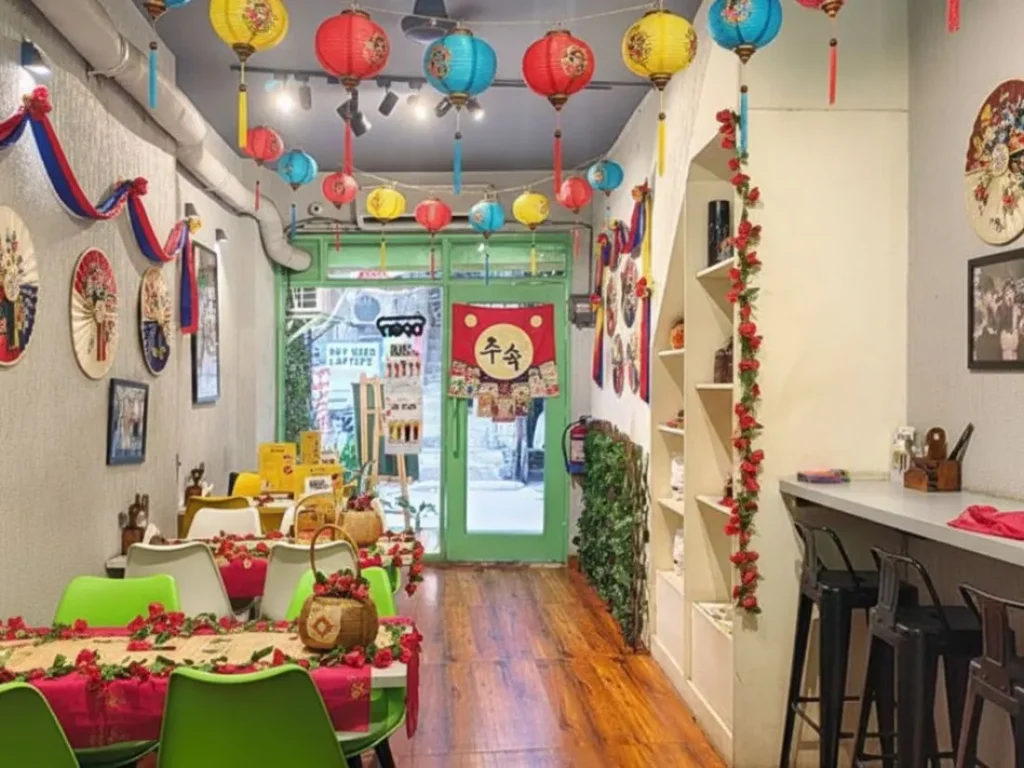
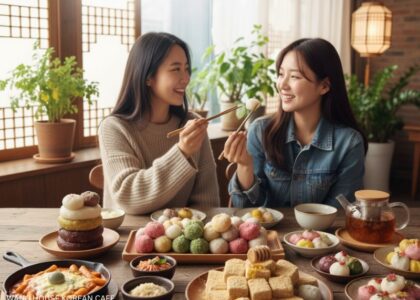
Not everyone can attend international food festivals. Therefore, cafes play a vital role. They recreate festive menus throughout the year. Because of this, diners can experience celebration-style dishes anytime.
Many cafes design seasonal menus inspired by traditional Korean food for Chuseok festival and Lunar New Year recipes. At the same time, they explain the cultural meaning behind each dish. This makes the experience educational and enjoyable.
Additionally, cafes offer a relaxed setting. This allows people to explore Korean holiday dishes, Chuseok special meals, Korean Lunar New Year food, and Traditional Korean event foods without crowds.
Korean Festival Meals Available in India
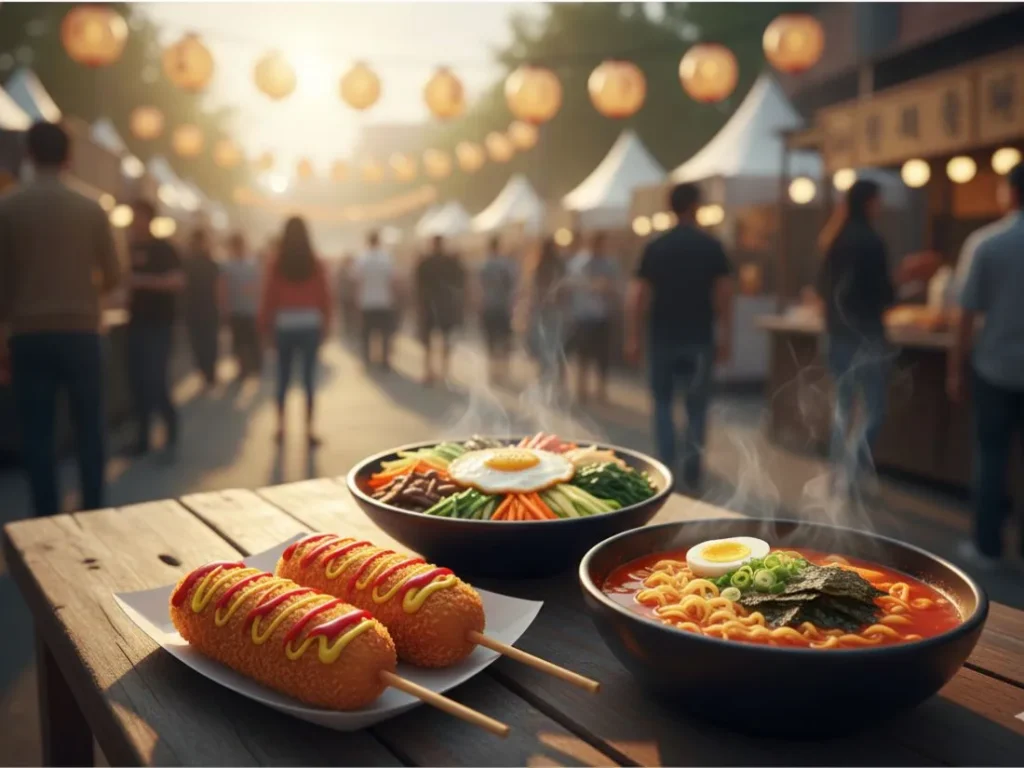
India has seen a rapid rise in Korean food popularity. Because of this trend, Korean festival meals available in India are now easier to find. Korean cafes in major cities regularly introduce festive specials.
These meals are adapted slightly to suit local tastes. However, they still keep traditional essence. As a result, diners enjoy authentic flavors with comfort.
Moreover, food lovers often search for where to taste Korean festive dishes in Delhi. The city has become a hotspot for Korean cuisine exploration. Cafes here bring festival-inspired menus closer to home.
Where to Taste Korean Festive Dishes in Delhi
Delhi’s food scene is diverse and experimental. Because of this, Korean cafes thrive here. Many visitors actively look for where to taste Korean festive dishes in Delhi during holiday seasons.
These cafes focus on storytelling through food. They highlight traditional Korean food for the Chuseok festival and New Year-inspired meals. At the same time, they maintain street-style presentation.
As a result, diners get a festival-like experience without traveling far. This approach has increased interest in the best Korean cafes serving holiday food specials across the city.
Explore all Wang House cafes across India.
The Role of Cafes in Preserving Tradition
Korean cafes do more than serve food. They preserve culture. By offering Korean holiday dishes, Chuseok special meals, Korean Lunar New Year food, and Traditional Korean event foods, they keep traditions alive.
Many cafes train staff to explain dish meanings. This adds emotional value. Because of this effort, customers feel connected to Korean culture.
Furthermore, cafes help younger generations learn about festive foods. This is especially important outside Korea. Hence, cafes act as cultural ambassadors.
Best Korean Cafes Serving Holiday Food Specials
Today, diners want more than taste. They want experience. Therefore, best Korean cafes serving holiday food specials focus on atmosphere, music, and presentation.
These cafes decorate spaces during festivals. They also introduce limited-time menus inspired by traditional Korean food for Chuseok festival and Lunar New Year meals. Because of this, customers feel the festive vibe.
Additionally, cafes use social media to educate audiences. This helps promote Korean festival meals available in India and builds curiosity among new visitors.
Why Festival Food Feels Different
Festival food carries emotion. It is linked to memories and rituals. Because of this, Korean holiday dishes, Chuseok special meals, Korean Lunar New Year food, and Traditional Korean event foods feel comforting.
Unlike daily meals, festival food is prepared with patience. It often uses seasonal ingredients. As a result, flavors feel fresh and balanced.
When cafes recreate these meals, they try to maintain this feeling. Therefore, diners enjoy not just taste but tradition.
Learn more about Korea’s harvest festival, Chuseok
The Future of Korean Festival Food Experiences
Interest in Korean culture continues to grow. Because of this, Korean festival food in street food will expand further. At the same time, cafes will continue bringing festive flavors to local communities.
People will keep searching for where to taste Korean festive dishes in Delhi and other cities. Meanwhile, demand for the best Korean cafes serving holiday food specials will increase.
As a result, Korean cafes will play a major role in shaping future food trends. They will connect global culture with local dining.
Experience Korean Festivals at Wang House
At Wang House, we believe food tells stories. That is why we celebrate festive Korean flavors throughout the year. Our menu is inspired by Korean holiday dishes, Chuseok special meals, Korean Lunar New Year food, and Traditional Korean event foods.
We aim to recreate festival warmth in every bite. Whether you are exploring Korean festival food available in India or searching for where to taste Korean festival food in Delhi, Wang House welcomes you.
Visit us to experience authentic flavors, festive vibes, and cultural comfort. Because Korean festivals are not just events. They are feelings meant to be shared.