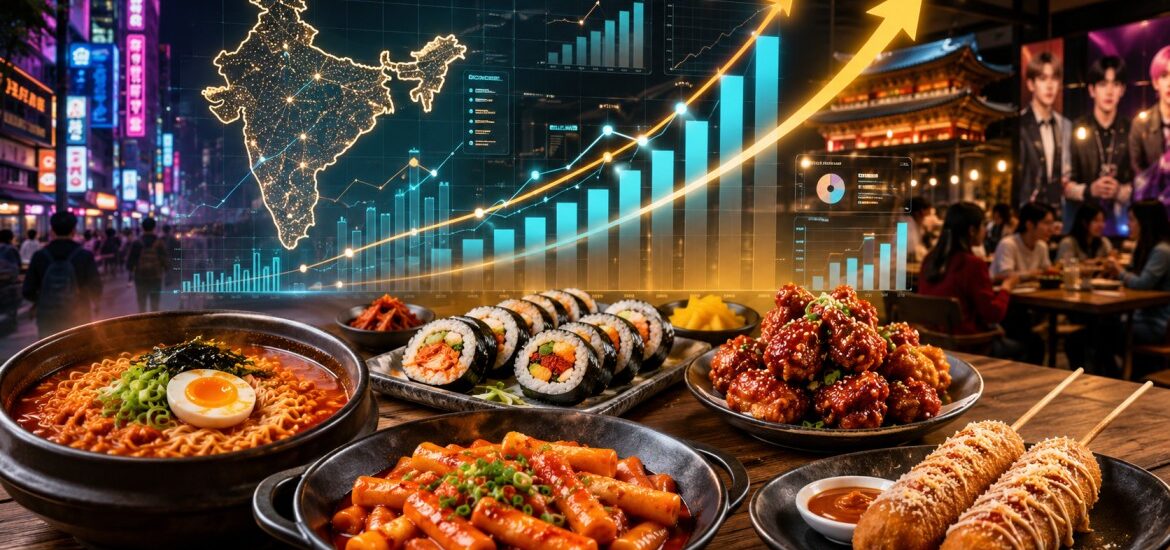
Korean food trends in India are changing the way young customers eat, meet, and explore new café experiences. A few years ago, Korean dishes were mostly known through K-dramas, K-pop videos, and online food reels. However, today, dishes like ramen, tteokbokki, gimbap, mandu, cheese corn dogs, and Korean fried chicken are becoming regular cravings for many Indian food lovers.
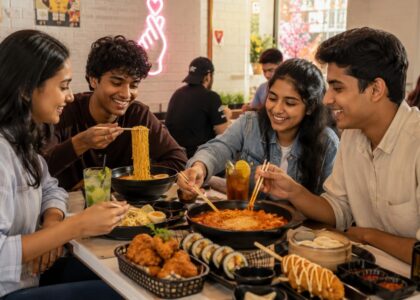
Moreover, this shift is not only about taste. It is also about culture, lifestyle, social media, and shared moments. When friends visit a Korean café after college or office, they are not just ordering food. They are enjoying a complete experience that feels trendy, warm, and different.
Wang House fits naturally into this new food movement. The brand brings Korean-inspired flavours, modern café vibes, and a lively street food identity for Indian audiences. Therefore, for entrepreneurs, the rise of Korean café culture is opening a fresh space in the food franchise segment.
Why Korean Food Culture Is Growing in India
The growth of Korean food in India is closely linked to entertainment. K-pop fans, K-drama viewers, Korean movie lovers, and food creators have made Korean dishes more familiar. As a result, many people now know names like ramen, kimchi, tteokbokki, gimbap, and Korean fried chicken even before trying them.
At the same time, Indian customers enjoy bold flavours. Spicy sauces, warm broths, crispy snacks, cheesy bites, and rice-based meals already match Indian food preferences in many ways. Therefore, Korean food does not feel too far from the Indian palate. Instead, it feels exciting and new.
Social media is also shaping the Korean food market in India. For example, a cheese corn dog pull, a bright ramen bowl, or a spicy tteokbokki plate can easily become reel-worthy content. Moreover, this visual appeal makes Korean food attractive for Gen Z customers and young professionals.
Korean street food has a strong cultural identity, especially through casual dishes like tteokbokki, ramen, fried snacks, and bunsik-style meals. Readers who want to understand more about Korean street food culture can explore this trusted guide on Korean street food culture and bunsik dishes.
What Makes Wang House a Korean Street Food Café Experience
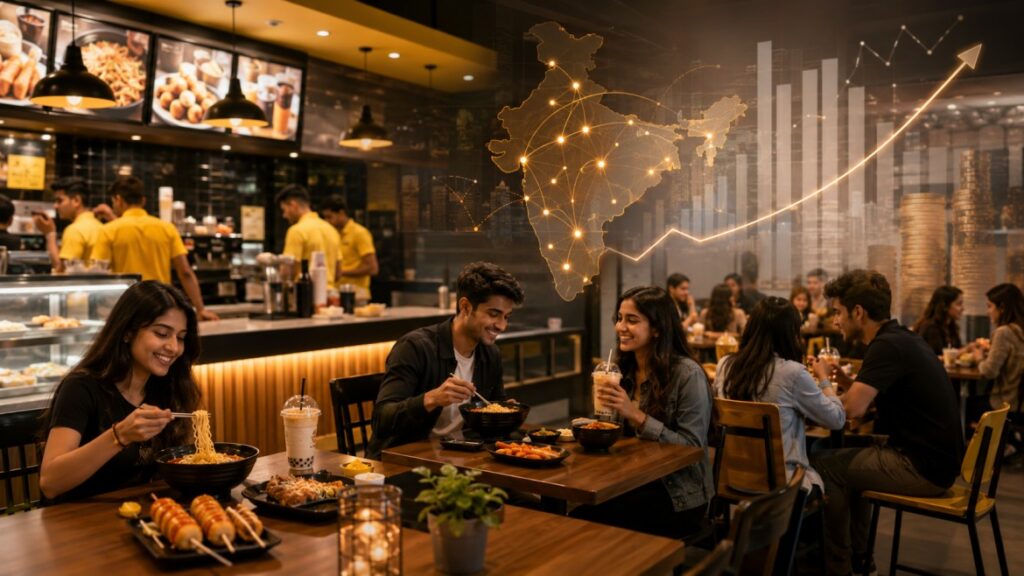
Wang House is not built like a regular restaurant. Instead, it feels like a Korean street food café where food, vibe, and youth culture come together. The experience is casual, colourful, and easy to enjoy with friends, family, or fellow K-culture fans.
Additionally, the café format makes Korean food more approachable. Some customers may not know every Korean dish, however they can still enjoy a warm ramen bowl, crispy Korean fried chicken, or a cheese corn dog without feeling confused. This easy entry point is important for a growing category.
The brand also understands Korean cafe trends in urban India. Today, customers want food that tastes good, looks good, and feels good to share online. Therefore, Wang House creates a space where the menu and ambience both support the experience.
For visitors who want to explore Wang House’s complete café identity, the Wang House home page can be linked here naturally.
Signature Korean Dishes You Can Try at Wang House
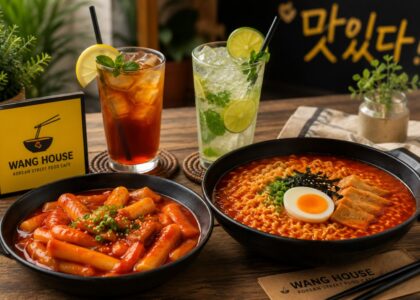
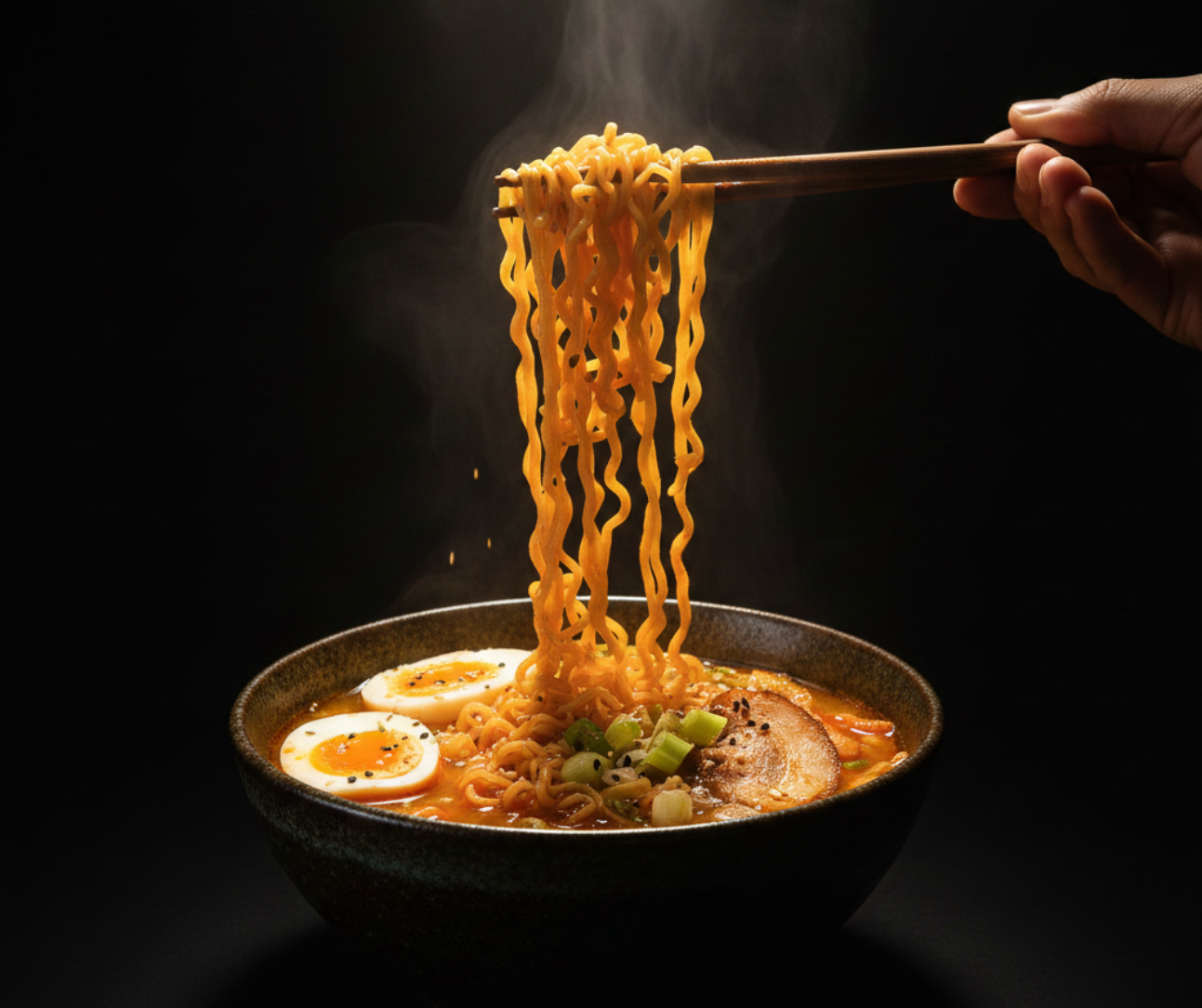
A strong Korean café experience begins with dishes that people remember. At Wang House, ramen is one of the most comforting choices. It is a warm noodle bowl with flavourful broth, vegetables, and spice. Moreover, it feels perfect for customers who want a filling and satisfying meal.
Tteokbokki is another popular dish. It is made with chewy rice cakes cooked in a spicy sauce. For Indian customers who enjoy strong flavours, this dish feels bold and fun. Additionally, rabokki adds ramen to the tteokbokki experience, making it richer and more filling.
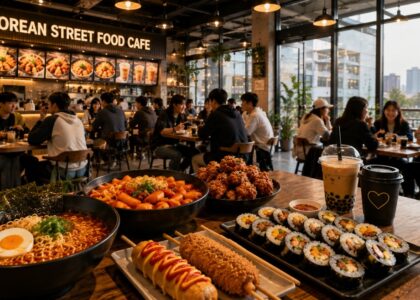
Gimbap is a Korean-style rice roll, while mandu works like Korean dumplings. Both are easy to share and great for customers who want something different but not too heavy. Meanwhile, Korean fried chicken and cheese corn dogs bring the crispy, cheesy, and snackable side of Korean street food.
Korean beverages also add balance. After a spicy bite, a refreshing drink can make the meal feel complete. As a result, the menu becomes suitable for short snack breaks, full meals, group outings, and casual café visits.
Readers who want to check popular dishes, café options, and Korean food varieties can visit the Wang House Korean food menu section.
Why Ramen Is Always a Comfort Food Favourite
Ramen has become one of the easiest Korean dishes for Indian customers to love. It is warm, spicy, filling, and simple to understand. Moreover, it feels comforting during lunch breaks, evening meetups, or casual dinner plans.
Because Indian food lovers already enjoy noodles and spice, ramen becomes a natural bridge into Korean flavours. However, it still feels different because of its broth, toppings, and Korean-style seasoning.
This is one reason Korean food trends in India are moving from online curiosity to real café visits. People first see ramen in dramas or reels. Then, they want to try it with friends. As a result, ramen becomes both a comfort dish and a cultural experience.
For investors, ramen also plays an important role in Korean food business opportunities in India. It is easy for customers to recognise, simple to promote, and strong enough to become a repeat-order item.
For people searching for ramen, snacks, and Korean-style café meals in Delhi, the Korean café in Delhi page can be linked here.
Tteokbokki, Rabokki, and Cheese Corn Dogs: The Street Food Side of Korea
Street food is one of the biggest reasons Korean cuisine feels exciting. Tteokbokki is spicy and chewy. Rabokki is bold and filling. Cheese corn dogs are crispy outside and stretchy inside. Therefore, these dishes naturally attract young customers who enjoy flavour and fun together.
Moreover, these dishes are easy to share. A group can order a ramen bowl, a plate of tteokbokki, and a cheese corn dog, then enjoy everything together. Meanwhile, the food also looks great in photos and reels.
The Korean cuisine business is growing because such dishes create strong customer moments. It is not only about eating quickly. Instead, it is about enjoying a snack that becomes part of a memory.
At the same time, the Korean food market in India is still developing, which gives brands room to build strong recognition. Therefore, cafés that offer the right mix of taste, pricing, presentation, and comfort can connect well with modern customers.
Korean Café Culture and the Rise of K-Pop Fan Hangouts
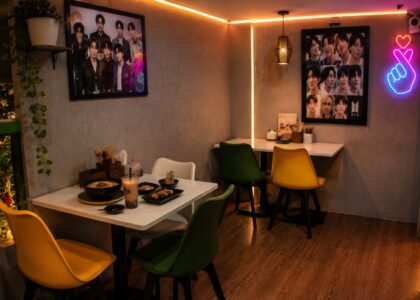
Korean cafés are becoming more than just food places. They are turning into hangout spots for fans, students, couples, and content creators. For example, K-pop birthday events, small fan meetups, and themed food outings can make a café feel like a community space.
Additionally, K-drama and K-pop-inspired food cravings bring people together. Someone may try ramen after watching a drama scene. Another person may order tteokbokki because it appeared in a reel. As a result, food becomes connected with emotion and entertainment.
This is why Korean cafe trends are important for entrepreneurs. A Korean café can serve food; however, it can also create moments around music, fandom, décor, and social sharing. Therefore, it becomes more than a dining outlet.
For people exploring profitable Korean food franchise ideas for investors, this fan-driven culture adds another layer of business potential. It helps a café stay relevant through events, reels, seasonal campaigns, and youth-focused promotions.
Readers interested in Korean café culture, fan gatherings, and K-pop-inspired café experiences can explore the K-pop café blog on Wang House.
Why Korean Food Works So Well During Festivals and Events
Food festivals, college events, mall stalls, and fan gatherings need food that is quick, exciting, and easy to serve. Korean street food fits this need very well. Moreover, dishes like corn dogs, fried chicken, mandu, and ramen bowls can attract attention quickly.
Korean food trends in India are also supported by event culture. When customers see a Korean food stall at a festival, they often want to try something different. Therefore, the food works both as a meal and as an experience.
The Korean cuisine business can also benefit from pop-up formats, seasonal campaigns, and limited-time menus. However, consistency is important. Customers may first try a dish at an event, but they return only when taste and service feel reliable.
For more ideas around Korean food and Indian events, link to the Korean food festival blog from Wang House.
Wang House as a Café Brand for Modern Indian Food Lovers
Modern Indian customers want variety. They want food that feels new, but not difficult to understand. They also want vegetarian and non-vegetarian choices, good presentation, and a place that feels comfortable. Wang House answers these needs with a Korean street café format.
Additionally, the brand’s menu works for different moods. A customer can choose ramen for comfort, gimbap for a lighter bite, tteokbokki for spice, fried chicken for crunch, or a beverage for a relaxed café moment. As a result, the café can serve different types of visitors.
The Korean food market in India is moving toward experience-led dining. Therefore, a café that combines food with culture has a stronger chance of becoming memorable. Wang House does this by keeping Korean-inspired flavours at the centre while making the experience friendly for Indian audiences.
Franchise and Business Interest Around Korean Cafés
The food franchise space keeps changing because customer tastes keep changing. Earlier, investors mostly looked at common café formats. However, today, niche food concepts are getting more attention because customers want something fresh.
This is where Korean food business opportunities in India become relevant. The demand is supported by youth culture, digital content, food exploration, and the rising love for Asian flavours. Moreover, Korean cafés can work well in markets with students, offices, malls, and high-footfall shopping areas.
For investors, franchise investment ideas should be judged carefully. Taste, supply support, training, location, pricing, menu strength, and brand identity all matter. Therefore, a Korean café model should not be seen only as a trend. It should be studied as a complete food business format.
Because Korean food trends in India are connected with both culture and consumption, they can create strong interest among entrepreneurs. However, a good franchise decision should always be based on real planning, local demand, and operational support.
Entrepreneurs interested in this growing food category can explore the Wang House franchise page for business model details and franchise opportunities.
Why Investors Are Watching Korean Café Concepts
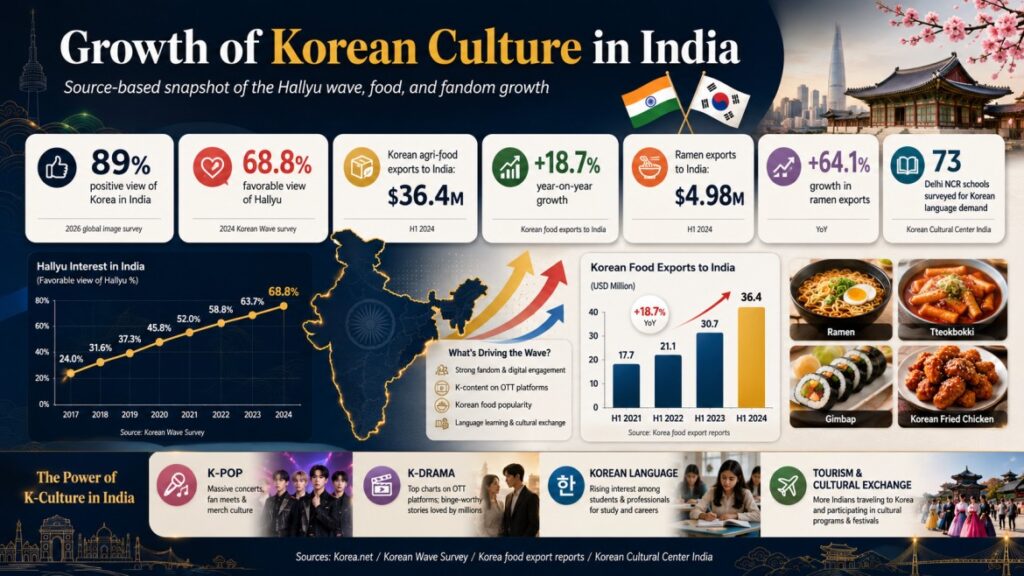
Korean café concepts are attractive because they combine food, culture, and social media. Additionally, the menu can include comfort meals, snack items, beverages, and sharing plates. This gives the business more ways to serve customers during the day.
The Korean cuisine business also benefits from repeat cravings. For example, ramen can become a regular comfort order, while cheese corn dogs and tteokbokki can become group favourites. Meanwhile, beverages can support casual visits even when customers are not looking for a full meal.
This is why profitable Korean food franchise ideas for investors are now being discussed more seriously. A good Korean café can appeal to food lovers, K-pop fans, students, families, and young professionals. Therefore, the customer base can be wider than it first appears.
Still, investors should focus on practical details. Location, staff training, food quality, kitchen setup, customer service, and marketing all affect performance. In fact, franchise investment ideas work best when trend value is supported by strong operations.
For more business-focused reading, entrepreneurs can also visit the Korean cafe franchise blog on Wang House.
Tips for First-Time Visitors to Wang House
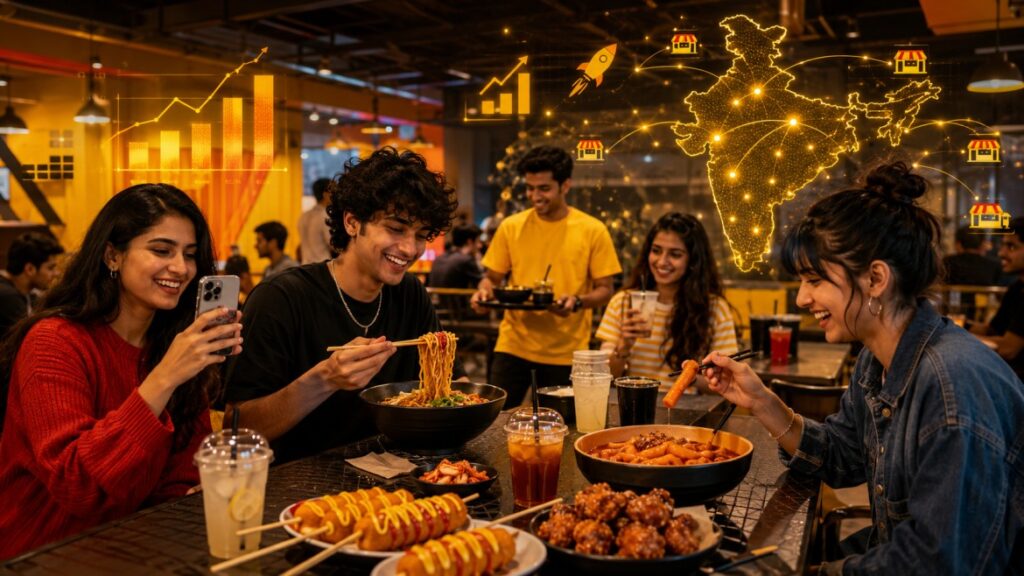
If you are visiting Wang House for the first time, start with ramen if you want something warm and comforting. However, if you enjoy spicy food, tteokbokki or rabokki can be a great choice.
Additionally, try a cheese corn dog if you want a fun snack. It is crispy, cheesy, and perfect for sharing. Meanwhile, gimbap or rice bowls work well when you want something filling but balanced.
If you are visiting with friends, order a mix of dishes. For example, one ramen bowl, one street food snack, and one beverage can create a complete café experience. As a result, everyone gets to try different flavours.
Final Thoughts
Korean food trends in India are no longer limited to online videos or drama scenes. They are now shaping real food choices, café visits, fan events, and business conversations. Moreover, this growth shows how strongly food and culture can work together.
Wang House brings this idea to life through Korean-inspired street food, modern café energy, and a menu that feels exciting for Indian audiences. It offers a good place to explore Korean street food flavours, whether someone is a first-time visitor or a regular K-food lover.
For entrepreneurs, the same trend also opens serious opportunities. Korean food business opportunities in India are connected with youth demand, social sharing, and experience-based dining. Therefore, profitable Korean food franchise ideas for investors should be explored with both excitement and proper planning.
To plan your next Korean food outing, readers can explore Wang House’s latest Korean food blogs and café updates for more ideas.