
A café today is often more than a place to order coffee. For many young customers, it is somewhere to meet friends, take photos, discover new food and feel connected to a wider culture. That is one reason the Korean cafe aesthetic has become so popular. Inspired by Seoul’s café scene, these spaces combine clean design, warm lighting, Korean food and a strong visual identity.
The appeal also goes beyond interiors. K-dramas, K-pop, Korean beauty, food trends and fan communities have turned cafés and stores into cultural touchpoints. A thoughtfully designed Korean cafe aesthetic can make visitors feel closer to the world they see in dramas, music videos and social media while giving them an accessible way to experience Korean culture in real life.
What Makes the Korean Cafe Aesthetic Different?
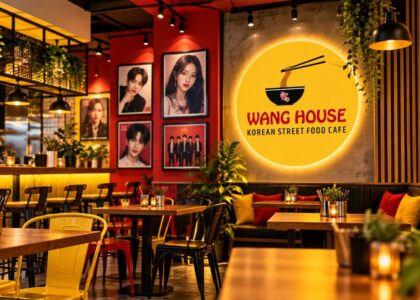
The Korean cafe aesthetic is usually built around simplicity, comfort and visual storytelling. Instead of filling every corner with decoration, Seoul-inspired cafés often use a few memorable elements: neutral colours, warm wood, soft lighting, plants, mirrors and clean furniture.
A good Korean cafe interior feels calm without looking empty. Seating, lighting, tableware, wall graphics and even food presentation contribute to the mood.
That balance works especially well with Gen Z. Younger customers often prefer places that feel distinctive but not overly formal—a café can be relaxed enough for everyday visits while still looking good in photographs, Reels and short-form videos.
Why Gen Z Connects with Seoul-Inspired Cafés
For Gen Z, dining and social media often overlap. People remember not only what they ate, but also the mood, presentation and atmosphere.
The Korean cafe aesthetic fits this behaviour naturally. Soft colours, uncluttered tables and attractive food create shareable moments without making the space feel staged.
K-dramas have also shaped expectations. Café scenes regularly show characters meeting, studying, dating or spending time together. Indian viewers become familiar with this type of social space before ever visiting one, so a similar setting can feel both new and familiar.
Korean Cafe Decor: Simple, Not Overloaded
Strong Korean cafe decor does not need to be expensive. Korean typography, warm pendant lights, framed illustrations, photo corners, pastel accents and modern tableware can create a clear identity. The goal is not to recreate Seoul literally, but to capture the mood of contemporary Korean café culture.
This is especially useful for smaller Indian outlets. Owners looking for Korean cafe aesthetic ideas for small cafes can focus on lighting, wall colour, furniture placement and one recognisable feature instead of filling the space with expensive decorative elements.
Why Minimalism Works
A minimalist Korean cafe often feels comfortable because customers have room to breathe. Lighter palettes, clean surfaces and fewer distractions can make a compact café feel larger.
Minimal, however, does not mean plain. Wood, exposed concrete, glass, fabrics, plants and warm lights can add depth without clutter.
This adaptability is one reason the Korean cafe aesthetic works in many formats, from neighbourhood cafés to mall outlets. The best Korean cafe aesthetic and interior design ideas usually combine visual appeal with comfortable seating and easy customer movement.
Food Is Part of the Visual Experience
The Korean coffee shop aesthetic is often discussed as an interior trend, but food presentation is just as important.
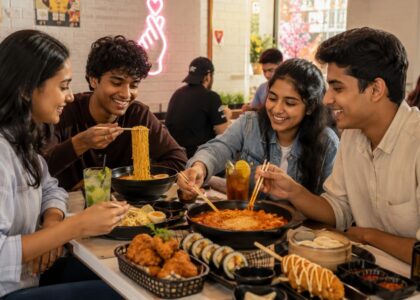
Colourful bibimbap, glossy tteokbokki, neatly arranged gimbap, cheese corn dogs, ramen and chilled drinks all add visual character once they reach the table.
This is where places such as Wang House naturally connect with the wider Korean culture trend in India. Visitors may recognise dishes from K-dramas, variety shows, K-pop content or social media, then experience those flavours themselves.
A Korean cafe aesthetic feels most convincing when the food, presentation and environment tell the same story.
How Korean Cafés and Stores Spread Korean Culture
Korean cafés and stores are making Korean culture easier to experience in everyday life.
Someone may discover Korea through a drama, then try ramyeon from a Korean grocery store, order tteokbokki at a café, buy a Korean beverage or attend a fan gathering. Stores introduce customers to snacks, drinks, noodles, skincare and stationery they often see on screen, while cafés add a social setting for friends and fan communities.
In this way, the Korean cafe aesthetic becomes more than a visual trend. It helps move Korean culture from online entertainment into real-world experiences.
Upcoming Korean Events in India
The growth of Korean culture is also visible in the events now reaching Indian audiences.
BTS World Tour Arirang Live Viewing — 31 October 2026
BookMyShow lists a delayed live viewing of BTS World Tour Arirang in São Paulo for 31 October 2026. The Korean-language concert film is listed across multiple Indian cities.
Events like this show how online fandom is becoming a physical community. Fans can watch together, meet other fans and extend the experience with food or café meetups before and after the screening.
Korean Cultural Festival — Pune, 28 November 2026
The IKC King Sejong Institute Pune calendar lists a Korean Cultural Festival for 28 November 2026. The institute notes that its event dates are subject to change, so visitors should confirm details before planning a trip.
The festival also reflects interest in language learning, cultural activities and community participation beyond entertainment alone.
Weverse Con Festival India — New Delhi, 27–28 March 2027
A major upcoming milestone is the first Weverse Con Festival India, scheduled for 27 and 28 March 2027 in New Delhi. Weverse has announced a lineup including ENHYPEN, TOMORROW X TOGETHER, LE SSERAFIM, Hwasa, Eric Nam and Indian artists, with tickets through BookMyShow.
It will be the first Weverse Con Festival held outside Korea, highlighting how important India is becoming to the global K-pop audience.
Why Cafés Matter Between Big Events
Major festivals may create excitement for a weekend, but cafés help keep communities active throughout the year.
Fans may meet before a concert screening, discuss performances afterward, exchange photo cards, celebrate idol birthdays or organise themed gatherings. These regular interactions give people a physical place to connect over shared interests.
That is where the Korean cafe aesthetic becomes functional as well as visual. A café can create a comfortable setting for people already interested in Korean music, dramas and food.
At Wang House, that connection can happen through Korean dishes, casual seating and a youth-friendly café atmosphere. The space does not need to imitate a K-drama set; it simply needs to feel welcoming, recognisable and connected to the culture customers already enjoy.
What Indian Café Owners Can Learn
The growth of the Korean cafe aesthetic also offers lessons for businesses that are not entirely Korean-themed.
Customers respond to spaces with a clear identity. Consistent colours, thoughtful lighting, comfortable seating, attractive plating and shareable corners can strengthen the overall experience.
Culture matters too. Design becomes more meaningful when it connects with food, music, storytelling and community. A café that only copies a visual trend can quickly feel temporary; a café that understands why customers connect with it can build stronger loyalty.
Social media may introduce a trend, but people still want somewhere to meet, eat and share experiences.
Final Thoughts
The Korean cafe aesthetic is winning Gen Z attention because it brings together thoughtful design, social comfort, visual appeal and Korean popular culture.
As K-pop screenings, fan gatherings and cultural festivals continue to grow in India, cafés and stores can play an increasingly important role between those major events. They give people places to eat, discover products, meet other fans and turn digital interests into real experiences.
For Wang House, this creates a natural opportunity to be part of that journey. Korean food may bring someone through the door, but atmosphere and shared experiences can give them a reason to return.
Ultimately, the Korean cafe aesthetic is not only about how a café looks. At its best, it is about how a space makes people feel—and how it helps a new generation experience Korean culture together.