
Korean Omelette Rice is one of those comforting dishes that looks impressive but can be surprisingly simple to prepare at home. Imagine warm, savoury fried rice covered with a soft egg omelette and finished with a flavourful sauce. It is colourful, filling, comforting, and perfect when you want to bring a Korean café-style experience to your own dining table.
For many Indian K-food fans, Korean dishes first become familiar through K-dramas, food reels, travel videos, and café content. You watch a character eating a warm rice dish, see a perfectly cooked omelette being opened over fried rice, and suddenly you want to try it yourself.
That is part of the charm of Korean Omurice. It combines familiar ingredients such as rice, vegetables, egg, and sauce in a fun Korean-style presentation.
At Wang House, our connection with Korean-inspired flavours goes beyond a single dish. As a Korean street food café, Wang House brings together food, café culture, youthful energy, and the growing love for K-food among Indian audiences.
So, if you have been searching for an easy Korean Omelette Rice Recipe, this guide will help you understand the dish, prepare it step by step, and avoid common mistakes along the way.
What Is Korean Omelette Rice?
Omelette rice, commonly called omurice, combines seasoned fried rice with an egg omelette. The basic idea is wonderfully simple: prepare flavourful rice, cook soft eggs separately, and bring both together on one plate.
However, the final result can look much more exciting than the ingredient list suggests.
The rice provides savoury flavour and texture. Meanwhile, the egg adds softness and richness. Additionally, sauce adds moisture and gives the finished dish its characteristic café-style appearance.
You may come across several variations of Korean Style Omurice. Some use a thin omelette wrapped around the rice. Others place a soft, fluffy omelette on top. Moreover, modern café versions may use different sauces, vegetables, proteins, or garnishes.
That flexibility is exactly why the dish works so well at home.
Why Omurice Feels Like the Perfect Korean Comfort Food
Comfort food does not always need complicated ingredients. Sometimes, familiar flavours prepared in a different way are enough to create something memorable.
That is where Korean Comfort Food like omurice stands out.
Rice is already an everyday staple in many Indian homes. Eggs are easy to find, while vegetables such as onion, carrot, capsicum, peas, and spring onion can be added depending on what you have available.
Therefore, Rice with Omelette feels familiar to Indian diners while still offering the excitement of a Korean-inspired meal.
Moreover, the contrast between hot fried rice and tender egg makes every bite satisfying. Add a flavourful sauce, and a simple combination of rice and eggs suddenly feels café-worthy.
It is also easy to customise. Vegetarians can prepare the rice with vegetables, while non-vegetarian versions can include suitable cooked proteins.
Korean Food Culture and Its Growing Popularity in India
Korean cuisine has become increasingly visible to Indian audiences alongside the popularity of K-pop, K-dramas, Korean films, social media creators, and Korean lifestyle content.
Food plays an especially memorable role in that cultural connection.
For example, viewers regularly see steaming ramen, tteokbokki, fried chicken, gimbap, dumplings, rice dishes, and colourful café drinks on screen. As a result, many people want to experience those flavours beyond their television or phone screens.
Rice-based dishes are particularly approachable because Indian diners are already familiar with rice as a filling everyday meal.
Meanwhile, visually appealing dishes such as Fluffy Omelette Rice perform especially well on social media. The golden egg, colourful rice, sauce, and garnishes make the plate instantly photographable.
For readers interested in learning more about Korea’s wider casual-food culture, the Korea Tourism Organization provides useful information about Korean street food culture and bunsik dishes.
Ingredients for Korean Omelette Rice at Home
A good Korean Omelette Rice Recipe does not require an unnecessarily long ingredient list. Instead, focus on properly cooked rice, fresh eggs, balanced seasoning, and vegetables that add texture.
For approximately two servings, you can start with:
- 2 cups cooked rice
- 4 eggs
- 1 small onion, finely chopped
- ½ cup finely chopped carrot
- ½ cup capsicum or other vegetables
- 2 spring onions
- 1–2 teaspoons cooking oil
- Salt according to taste
- Black pepper
- A small amount of butter, optional
- Ketchup or a suitable savoury sauce
- Cooked protein, optional
Additionally, you can adjust the vegetables according to availability.
One useful tip is to avoid overly wet rice. Slightly cooled cooked rice usually separates more easily in the pan. Therefore, the finished Korean Fried Rice can have a better texture instead of becoming sticky or mushy.
Step 1: Prepare the Fried Rice Filling

Start by heating a pan over medium heat.
Add a small amount of oil. Then add the chopped onion and cook until it begins to soften. Add carrot and other firm vegetables next because they generally need slightly more cooking time.
Meanwhile, keep the heat controlled so the vegetables retain some texture.
Add the cooked rice once the vegetables are ready. Break up any large rice clumps gently with your spatula.
Then season the mixture. Depending on the style you prefer, you can keep it mild or add a little more savoury flavour.
However, avoid adding too much liquid sauce. Excess moisture can make the rice soggy.
Continue tossing until everything is evenly mixed and heated through.
Your goal is flavourful fried rice that can hold its shape on the plate without becoming dry.
This rice base is the heart of Korean Omelette Rice with Fried Rice, so take a little extra time to get its texture right.
Step 2: Shape the Rice
Once your fried rice is ready, transfer it to a plate.
You can simply create a neat mound with a spoon. Alternatively, place the rice inside a small bowl, press it gently, and turn the bowl upside down onto the serving plate.
This creates the smooth café-style shape often associated with omurice.
However, do not compress the rice too tightly. It should still feel light when you eat it.
At this stage, keep the rice warm while you prepare the egg.
Step 3: Make a Soft Korean Egg Omelette
The omelette is the part that gives this dish its signature appearance.
Crack the eggs into a bowl. Add a small pinch of salt and beat until the yolks and whites are evenly combined.
For a softer texture, whisk the eggs thoroughly but do not worry about creating excessive foam.
Next, heat a non-stick pan over low to medium heat. Add a little oil or butter.
Pour in the eggs.
For a simple version, allow the egg to set gently and create a soft omelette large enough to cover the rice.
However, avoid cooking it until it becomes brown and dry. The ideal Korean Egg Omelette should remain tender.
A slightly creamy centre can create the beautiful texture associated with Fluffy Omelette Rice.
If you are new to making omurice, do not worry about achieving restaurant-style folds immediately. A neatly cooked soft omelette placed over the rice can still taste excellent.
Step 4: Bring the Egg and Rice Together
Now comes the most satisfying part.
Carefully slide your omelette over the mound of fried rice.
Alternatively, if you have prepared a thin omelette, you can place the rice inside it and gently fold the egg around the filling.
Both styles work.
The important thing is that the Egg Omelette Rice should have a pleasant balance between the amount of egg and rice.
Too little egg can make the dish feel dry. On the other hand, an oversized omelette can overpower the fried rice.
Therefore, adjust the portions according to your preference.
Step 5: Add the Sauce and Finish the Plate

A simple sauce can completely transform the appearance of omurice.
Ketchup is commonly associated with omurice-style fried rice and makes an easy home option. However, you can also prepare a richer savoury sauce if you prefer.
Drizzle or spoon the sauce over the egg.
Additionally, garnish the plate with chopped spring onion or another simple topping.
Now your homemade Korean Rice Dish is ready.
Serve it immediately because the contrast between warm fried rice, soft egg, and sauce is best enjoyed fresh.
How to Make the Best Korean Omelette Rice
There is no single trick that magically creates the Best Korean Omelette Rice. Instead, several small cooking decisions make a noticeable difference.
First, use rice that is not overly wet. This helps the grains separate during frying.
Second, chop the vegetables into small pieces. As a result, they distribute evenly throughout the rice.
Third, do not overcrowd the rice with ingredients. The egg and rice should remain the stars of the dish.
Most importantly, control the heat while cooking your eggs. High heat can quickly create a rubbery or browned omelette.
Meanwhile, prepare the plate before cooking the egg. This allows you to transfer the omelette immediately rather than leaving it sitting in the hot pan.
These simple habits can bring your homemade version much closer to the soft texture people associate with Authentic Korean Omelette Rice.
Common Mistakes to Avoid
Even a simple dish can go wrong when a few basic details are overlooked.
Using Very Wet Rice
Fresh, steaming rice may contain too much moisture for easy frying. Therefore, allow it to cool slightly before using it.
Adding Too Much Sauce to the Rice
Sauce should add flavour rather than drown the rice. Too much liquid can make the filling heavy.
Overcooking the Egg
A dry omelette loses much of the soft texture that makes omurice enjoyable. Therefore, use controlled heat and remove the egg before it becomes tough.
Trying a Complicated Omelette Too Soon
Social media videos can make advanced omurice techniques look effortless. However, they require practice.
Start with a simple omelette placed over rice. Once you become comfortable controlling the eggs, you can experiment with more elaborate presentation styles.
Make Your Omurice More Indian-Kitchen Friendly
One of the advantages of homemade omurice is flexibility.
You do not need to make it unnecessarily spicy to suit Indian preferences. Instead, adjust the seasoning gradually and allow the rice, egg, and sauce to remain balanced.
For example, vegetables commonly available in Indian kitchens can work well in the rice. You can also prepare vegetarian or non-vegetarian versions according to your household’s preference.
However, avoid turning the fried rice into an entirely different dish with too many spices. If your goal is Authentic Korean Food inspiration, keeping the seasoning relatively simple allows the core character of omurice to remain noticeable.
What to Pair with Omelette Rice
Omurice can easily work as a complete meal. However, Korean café-style dining becomes more fun when several dishes are shared.
For a casual meal with friends, consider pairing it with mandu. These Korean dumplings offer a different texture while keeping the meal easy to share.
Alternatively, spicy tteokbokki creates an interesting contrast with the softer rice and egg.
A cheese corn dog can add something crispy and playful to the table. Meanwhile, a refreshing café-style beverage can balance richer or spicier flavours.
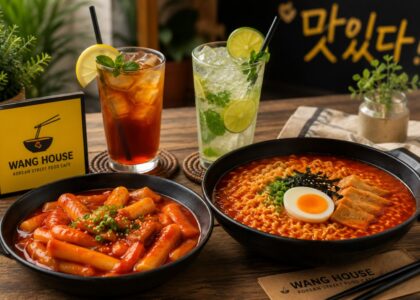
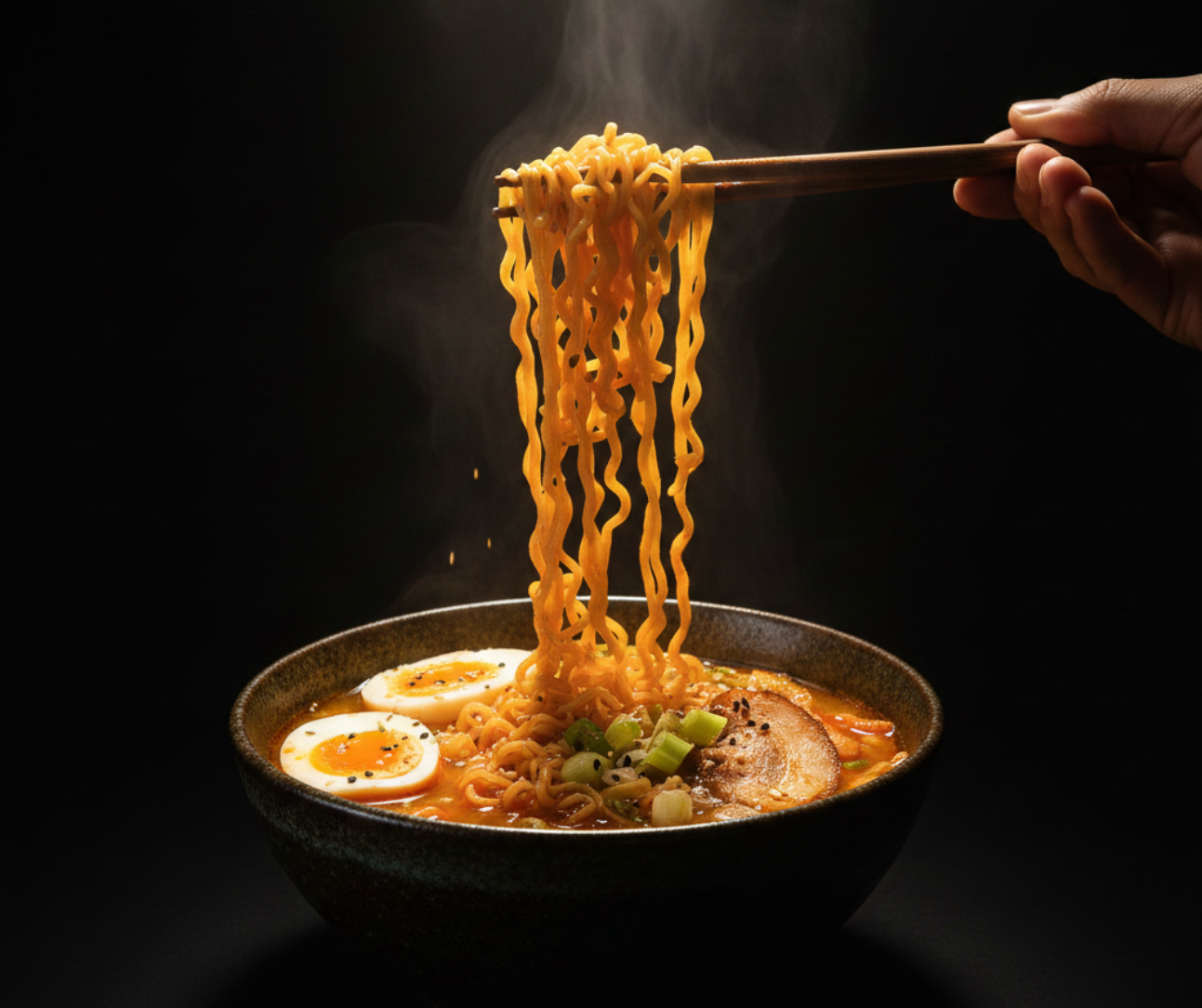
This sharing experience is also part of what makes visiting a Korean café enjoyable. One person orders ramen, another chooses tteokbokki, and everyone ends up tasting a little of everything.
Experience Korean-Inspired Food at Wang House
Cooking at home is a great way to explore new flavours. However, sometimes you simply want to sit down with friends and enjoy a Korean café experience without worrying about preparation or washing dishes afterwards.
Wang House brings Korean-inspired street food and contemporary café culture together for Indian diners.
Students can stop by after college for ramen and snacks. Friends can share tteokbokki or cheese corn dogs. Meanwhile, K-pop and K-drama fans can enjoy the atmosphere while exploring Korean-inspired flavours together.
For an introduction to the café and its overall identity, explore the Wang House home page.
If you are deciding what to eat, the Wang House Korean food menu guide offers more ideas.
Delhi diners looking for Korean-inspired meals can also explore the Korean café in Delhi guide.
Korean Food Is About the Experience Too
Food becomes more memorable when there is an experience attached to it.
Perhaps you first noticed omurice while watching a K-drama. Maybe you discovered Korean fried chicken through Instagram. Or perhaps your friends convinced you to try tteokbokki during a café outing.
These small moments turn curiosity into a genuine interest in another food culture.
At the same time, dishes such as Korean Egg Rice demonstrate why Korean-inspired meals can feel approachable to Indian diners. The ingredients may be familiar, but the cooking style and presentation create something fresh.
That balance between familiarity and discovery is one reason Korean café experiences continue connecting with younger Indian audiences.
Final Thoughts
Making Korean Omelette Rice at home is less about mastering an elaborate restaurant technique and more about understanding three simple elements: flavourful fried rice, tender eggs, and balanced sauce.
Once you understand those basics, you can adjust the dish according to your taste while keeping its comforting character.
Moreover, cooking dishes like omurice can be a fun way to explore Korean-inspired food beyond ramen and street snacks. Prepare it for lunch, make it for friends, or turn a weekend meal into your own small Korean café experience.
And when you would rather enjoy Korean-inspired food outside the kitchen, Wang House offers a casual place to explore the flavours, café vibes, and social side of K-food.